Complete Guide to East Bay Retrofit Construction
Comprehensive Construction Services for Every Project
Thorough building solutions are essential for the successful management of any construction endeavor. They facilitate smooth coordination across all phases, guaranteeing effective communication and coordination among teams. This method not only reduces setbacks but also enhances compliance with financial and scheduling constraints. As parties involved seek higher quality outcomes, comprehending the various services available becomes increasingly important. What particular factors contribute to a project's achievement, and how can they be effectively implemented?
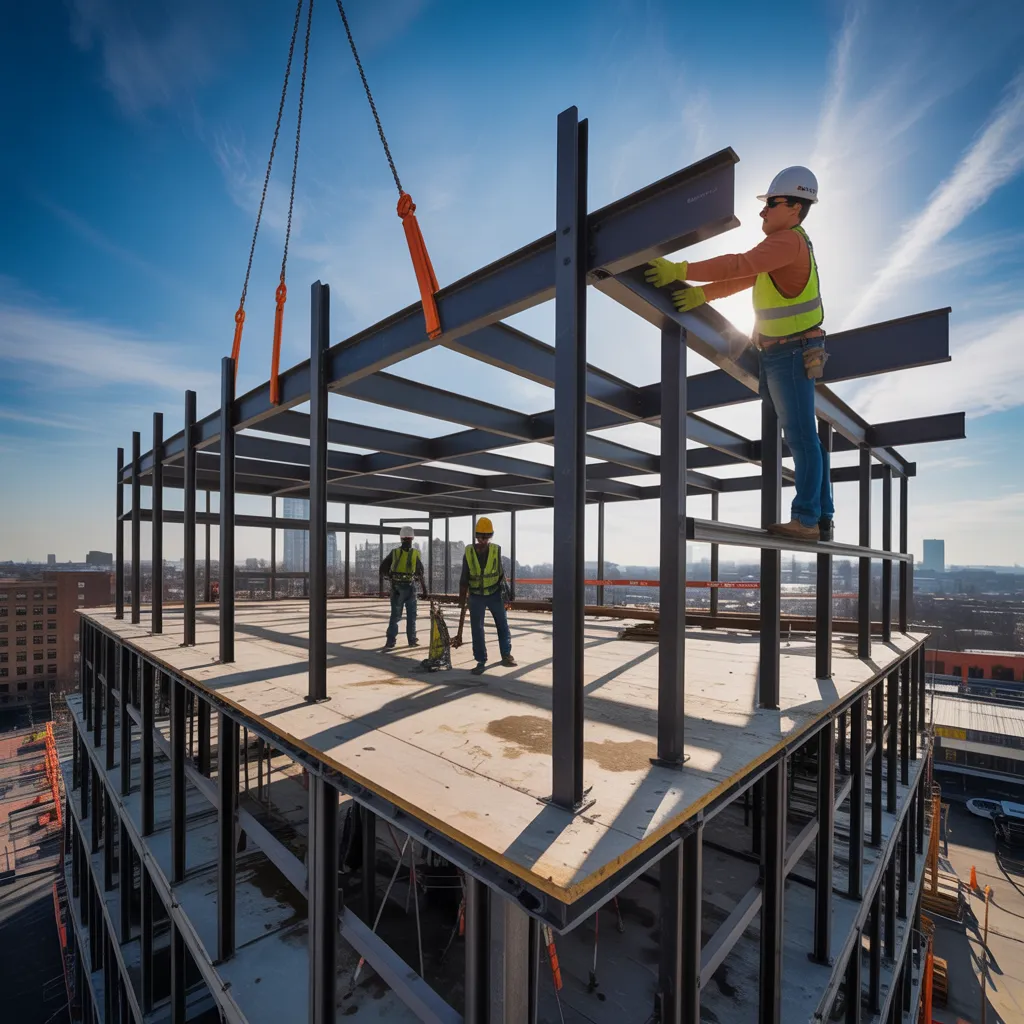
Why Thorough Construction Services Are Critical
Comprehensive construction services are vital because they enhance the construction workflow, guaranteeing that all work stages are integrated effectively. These offerings encompass a spectrum of operations, involving planning, design, and delivery, which contribute to the overall success of your initiative. By coordinating various teams and resources, extensive construction services minimize the chance of misunderstandings and delays.
Moreover, they promote compliance with timelines and budgets, addressing potential issues in advance. This level of structure creates a collaborative environment, enabling stakeholders to interact openly and efficiently.
Additionally, comprehensive services ensure compliance with local regulations and safety standards, minimizing risks associated with construction activities. Overall, the integration of detailed construction services improves project quality, leading in durable and sustainable outcomes. In an industry where precision matters, such services provide the necessary framework for achieving client satisfaction and meeting project goals.
Fundamental Construction Services for Residents
Homeowners aiming to enhance their living spaces can reap significant benefits from crucial construction services designed for their specific needs. These services include a range of offerings, comprising remodeling, renovations, and repairs, which permit homeowners to change outdated areas into modern, functional spaces. Kitchen and bathroom remodels often yield significant returns on investment, improving both aesthetics and utility.
Moreover, outside maintenance like roof and wall repairs ensure the home remains secure and visually appealing. Garden design and patio improvements create welcoming spaces for relaxation and entertainment.
Homeowners can make use of eco-friendly improvements, which cut utility costs while supporting sustainability. By engaging experienced contractors, homeowners can handle the complexities of construction projects with ease, securing adherence to local regulations and timelines. Overall, these key resources equip homeowners to attain their visions, ultimately improving property value and quality of life.
Key Offerings for Commercial Construction
Within the domain of commercial construction, proficient project administration and superior material procurement serve as essential components. These solutions guarantee that projects are delivered on time and within budget while maintaining high standards. Recognizing their significance can result in more successful construction outcomes.
Project Management Expertise
Throughout the navigation of commercial construction complexities, effective project management expertise becomes required to guarantee timely delivery and spending control. Accomplished project managers play a role in orchestrating various elements of a construction project, such as scheduling, resource allocation, and team coordination with stakeholders. They employ innovative approaches to mitigate risks and modify to unforeseen challenges, confirming that projects move ahead successfully. By using digital platforms and data analytics, project managers can enhance planning outcomes, optimizing efficiency and results. In addition, their skill in promoting cooperation among contractors, architects, and clients is vital for bringing alignment and achieving project goals. At the end of the day, world-class project management skills serves as the cornerstone of successful commercial construction endeavors, driving projects from ideation to completion with meticulous care.
Quality Material Sourcing
Quality material sourcing serves as a critical facet in the context of commercial construction, directly shaping project durability and overall success. Proficient procurement requires acquiring premium materials that fulfill specific project requirements while remaining within budget constraints. This undertaking often necessitates forging strong ties with capable suppliers to guarantee prompt delivery and consistency in quality. In addition, awareness of local regulations and environmentally responsible practices plays a critical role in sourcing decisions. By prioritizing quality materials, construction enterprises can enhance structural integrity and reduce long-term maintenance costs. Ultimately, a focus to quality material sourcing not only supports a project's immediate goals but also strengthens its longevity and resilience in a competitive market.
Picking the Right Construction Services for Your Project?
When selecting building contractors, it is crucial to define project specifications precisely to guarantee conformity with objectives. Assessing the proficiency of prospective contractors further enhances the probability of a positive result. Careful consideration of these factors can yield a more productive and streamlined building process.
Outline Project Requirements Unambiguously
Establishing scope parameters clearly is vital for selecting the most suitable building providers. This demands pinpointing specific goals, timelines, budgets, and required materials. A well-articulated project scope helps assure that all involved parties share a mutual understanding of what is expected. Furthermore, specifying any compliance rules or site-specific circumstances can help avoid potential hold-ups and miscommunication throughout the building phase. By establishing defined parameters early in the process, project managers can effectively communicate their requirements to prospective vendors, making it possible for more strategic decision-making. In the end, thorough documentation of project parameters not just streamlines the selection process but also establishes a solid base for effective completion and reduces the risk of costly revisions in the future.
Assess Service Provider Proficiency
How can project managers ensure they choose the most qualified construction service providers? Assessing the qualifications of prospective service providers is essential. This procedure starts with reviewing each provider's body of work, which showcases previous work and relevant experience. Project managers should also confirm permits, credentials, and coverage to validate compliance with professional requirements. Gathering recommendations and customer feedback can offer insights into a provider's dependability and workmanship. Furthermore, performing consultations enables construction leaders to evaluate communication skills and comprehension of project specifications. Analyzing bids not only on price but also on scale, schedules, and quality can further assist in decision-making. In the end, a comprehensive evaluation of service provider expertise lays the foundation for successful project execution and satisfaction.
Improving Your Building Project Successfully
Accomplishing efficiency in construction projects necessitates embracing a systematic approach that decreases delays and optimizes resource allocation. Clear dialogue among team members is crucial, ensuring that everyone remains coordinated with project goals and timelines. Utilizing project management software can streamline workflows, permitting for real-time updates and task tracking.
Additionally, putting in place a phased approach allows teams to prioritize specific project segments, curtailing the risk of overlapping tasks that can lead to confusion. Routine performance checks and adjustments based on performance indicators support recognizing foreseeable challenges early on.
Establishing clear roles and duties promotes accountability, pushing teams to meet deadlines without compromising quality. Furthermore, engaging in preventive risk management prepares teams for unforeseen challenges, allowing swift responses that keep projects on track. By integrating these strategies, construction projects can achieve increased efficiency, reducing costs and improving overall outcomes.
Embracing eco-friendly approaches in building not only enhances construction standards but also reduces ecological footprint. By incorporating eco-friendly materials and methods, building firms can greatly reduce waste and energy consumption. This strategy not only satisfies compliance standards but also appeals to eco-aware clients.
Leveraging renewable resources, such as bamboo or recycled metals, strengthens durability while decreasing carbon footprints. Additionally, incorporating energy-efficient technologies, like solar panels and advanced insulation, secures long-term operational savings and improved building performance.
Cooperation with certified green professionals considerably boosts project standards, verifying alignment with eco-friendly standards.
Moreover, implementing a waste management plan during the construction phase can streamline processes, reducing costs and environmental harm.
In the end, a promise of sustainable practices in construction produces high-quality projects that connect with both stakeholders and the community, building a legacy of accountable building practices. Such resolve not only strengthens the reputation of construction firms but also benefits a healthier planet.
Often Posed Questions
What Are the Expected Durations for Building Projects?
Common durations for construction undertakings vary widely, generally ranging from a few months to several years. Factors influencing duration include scale, complexity, regulatory approval, seasonal factors, and resource availability, impacting overall time to completion.
What's the Best Way to Deal with Unexpected Construction Delays?
To handle unforeseen building delays, one should assess the situation, engage with relevant parties, modify schedules, and explore solutions. Flexibility and proactive planning can mitigate impacts and maintain project momentum despite setbacks.
What Permits Are Necessary for Development Projects?
Building undertakings require various permits, such as building, electrical, plumbing, and land use permits. The precise learn about this specifications are based on regional ordinances, project scope, and location, necessitating discussion with city officials essential for compliance and guidance.
How Does Budget Oversight Get Managed During Construction Phases?
Project budgeting is administered through frequent evaluation of expenses, adjusting forecasts based on incurred expenses, and maintaining communication among stakeholders. This secures alignment with financial goals and timely identification of potential overruns or savings.
What Safety Requirements Are Adopted on Construction Sites?
Construction sites employ diverse safety measures, including ongoing safety education, application of personal protective equipment, clear signage, routine examinations, emergency protocols, and adherence to regulations to minimize risks and guarantee the well-being of staff members.